Source Modular Formwork Hydraulic Auto-Climbing System for High Rise, Hotel, and Wall Projects
Compare 21 modular formwork hydraulic auto-climbing system options from verified Chinese suppliers. Buyers can evaluate specifications like climbing speed, bracket height, and customization for high-rise building, hotel, and wall concrete construction projects.
Key considerations
Products List


Advanced Hydraulic Auto-Climbing System for Modular Building Solutions
$2999.00 - $4999.00
MOQ: 1 Sets


Advanced Red Hydraulic Auto-Climbing System for Building Formwork Solutions
$1200.00 - $1800.00
MOQ: 1 Tons

Hydraulic Auto Climbing Formwork System for Bridge or High-Rise Building
$3999.00 - $7999.00
MOQ: 1 Sets

Advanced Hydraulic Auto-Climbing System for High-Rise Building Formwork Solutions
$1200.00 - $1800.00
MOQ: 1 Tons

Anchor Plate Anchor System for Hydraulic Self-Climbing Auto-Climbing Formwork
$0.80 - $5.00
MOQ: 10000 Pieces


Comprehensive Sourcing Guide
Strategic Sourcing Guide for Modular Formwork Hydraulic Auto-Climbing Systems
Understanding the Core Technology and Technical Specifications
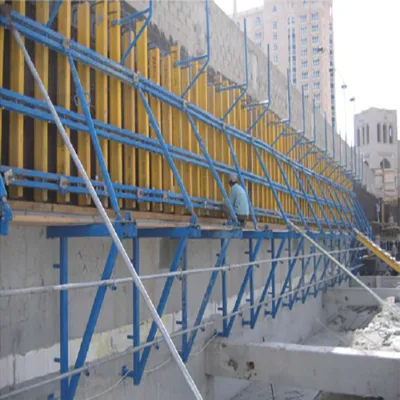
The acquisition of a modular formwork hydraulic auto-climbing system represents a significant investment in high-rise construction efficiency. These systems are engineered to facilitate the vertical movement of formwork platforms, allowing for continuous concrete pouring without the need for traditional crane-assisted lifting of heavy formwork panels. Based on the available product data, the core technology relies on a hydraulic auto-climbing mechanism, often categorized specifically as a Hydraulic Auto-Climbing System or ACS Hydraulic Self-Climbing Formwork. The primary structural component is constructed from steel, with some configurations incorporating steel wood combinations or timber beams and steel walers to ensure structural integrity under load.
A critical aspect of evaluating these systems is the understanding of their dimensional and operational specifications. The height of the bracket, a fundamental component for stability, typically ranges between 10 to 15 meters. The climbing height per cycle is generally observed to be between 3 to 4 meters, allowing for rapid vertical progression. The lifting speed varies by model, with specific data points indicating a rate of 12 cm per minute, while other configurations may operate at a climbing speed of 10 mm per second. Buyers must verify the specific lifting speed against their project schedule requirements, as this directly impacts the overall construction timeline.
The system is designed for internal erection positions, making it particularly suitable for the core structures of high-rise buildings. The number of platforms integrated into the system can vary, with observed configurations supporting between 4 to 7 platforms. This modularity allows the system to adapt to the changing geometry of a building as it rises. The standard length of the formwork panels is often customized to fit specific architectural designs, ensuring a precise fit for walls and columns. The steel grade used in the construction is typically Q235 or Q355, which provides the necessary tensile strength and durability required for heavy-duty construction environments.
Compliance, Certification, and Safety Standards
In the realm of heavy construction equipment, compliance with international and local safety standards is non-negotiable. When sourcing a modular formwork hydraulic auto-climbing system, buyers must rigorously verify the certification status of the supplier and the specific equipment. The available product data indicates that compliant systems often carry CE, ROHS, and ISO certifications. It is essential to distinguish between general company certifications and specific product certifications, as the latter confirms that the specific batch of equipment meets safety and environmental standards.
The standard for the product itself is a critical verification point. While some listings indicate that the product standard is customized, others reference specific standards such as SGS. Buyers should not assume that a "customized" standard implies a lack of regulation; rather, it suggests that the equipment is tailored to meet specific project requirements or local codes. However, the presence of an ISO certification is a strong indicator of adherence to quality management systems. Similarly, the CE mark is a mandatory conformity marking for products sold within the European Economic Area, signaling that the product meets EU safety, health, and environmental protection requirements.
Safety features are intrinsic to the design of these systems. The construction properties often include a building anchor system, which is vital for securing the formwork to the existing concrete structure during the climbing process. The surface finish of the steel components is another area where compliance and longevity intersect. Common finishes include paint, powder coating, electro-galvanization, and hot-dip galvanization. These treatments are not merely aesthetic; they are essential for corrosion resistance, especially in the harsh environments of a construction site. Buyers should request documentation proving that the galvanization process meets specific thickness standards to ensure long-term durability.
Cost Drivers and Pricing Variables
The pricing for modular formwork hydraulic auto-climbing systems is highly variable, influenced by a complex matrix of factors. The observed price range in the market spans from approximately 0.8 USD to 7999 USD, a disparity that reflects the difference between individual accessories and complete system packages. It is crucial for buyers to understand that a low unit price for a single component does not equate to a low total project cost. The final price is determined by the scope of the system, the quantity of platforms, the customization level, and the specific material grades selected.
Material costs are a primary driver. The use of high-grade steel (Q235/Q355) versus standard steel will significantly impact the base price. Furthermore, the inclusion of additional materials such as timber beams or specialized walers adds to the material cost. The surface finish also plays a role; hot-dip galvanization is generally more expensive than standard painting but offers superior protection against corrosion, potentially reducing long-term maintenance costs.
Customization is another significant cost factor. The product data indicates that customization is available for length, color, and standards. A fully customized system, tailored to the unique geometry of a specific high-rise building, will command a higher price than a standard off-the-shelf solution. The number of platforms required, ranging from 4 to 7 in typical configurations, directly scales the cost. Additionally, the packaging method, whether it involves a standard package, a steel pallet, a steel frame, or a full container load, affects logistics costs. Buyers should request a detailed breakdown of costs to distinguish between the hardware, the customization fees, and the logistics expenses.
Typical Applications and Project Suitability
The modular formwork hydraulic auto-climbing system is specifically engineered for high-rise building applications. Its design allows for efficient construction of vertical structures where speed and safety are paramount. The primary usage scenarios include hotel construction, as well as the concrete construction of walls and columns. The system's ability to climb automatically makes it ideal for projects with repetitive floor plans, such as residential towers, office buildings, and hotels, where the formwork needs to be moved up and down frequently.
The system is particularly effective for internal erection positions, making it suitable for core walls and elevator shafts. The height of the bracket, which can reach up to 15 meters, allows the system to handle significant vertical distances in a single setup. The climbing speed of 10 mm per second or 12 cm per minute ensures that the formwork can be repositioned efficiently, minimizing downtime between concrete pours. This efficiency is critical for maintaining the tight schedules often associated with high-rise construction projects.
Furthermore, the system's modular nature allows it to adapt to various project solution capabilities. Suppliers often offer graphic design and 3D model design services, providing a total solution for the project. This capability ensures that the formwork system is not just a generic product but a tailored solution that fits the specific architectural and structural requirements of the building. The ability to customize the color, such as choosing between red, blue, or white, or opting for a customized color scheme, can also be beneficial for branding or safety identification on the construction site.
Supplier Evaluation and Origin Verification
When evaluating potential suppliers for hydraulic auto-climbing systems, the origin of the product is a key factor. The available data indicates that these systems are primarily manufactured in China, with specific origins noted in Jiangsu and Yancheng. While China is a major hub for construction equipment manufacturing, buyers must conduct thorough due diligence to ensure the supplier's capabilities match their quality expectations. The presence of a specific location, such as Jiangsu, can be a positive indicator of an established industrial base, but it should be verified through site visits or third-party audits.
Supplier evaluation should extend beyond the location to include their technical support capabilities. The product data highlights that technical support is available, either remotely or on-site. This is a critical service, especially for complex systems like hydraulic auto-climbing formwork. Buyers should inquire about the specific nature of the support, including the availability of remote instruction via digital platforms and the logistics of on-site installation and training. The ability to provide a total solution, including graphic design and 3D modeling, is also a strong indicator of a supplier's technical competence.
The customization capabilities of the supplier are another important evaluation criterion. Since the product attributes indicate that customization is available for length, color, and standards, buyers should assess the supplier's flexibility and experience in handling custom orders. A supplier that can provide a customized standard or a tailored design is more likely to meet the unique needs of a high-rise project. Additionally, the supplier's ability to handle the specific packaging requirements, such as steel pallets or container loads, is essential for ensuring the safe transport of the equipment.
Quality Control and Long-Term Procurement Considerations
Quality control is paramount when dealing with hydraulic auto-climbing systems, as the safety of the construction crew and the integrity of the building depend on the equipment's performance. Buyers should implement a rigorous quality control process that includes verifying the material specifications, such as the steel grade and the surface finish. The use of Q235/Q355 steel and finishes like electro-galvanization or hot-dip galvanization should be confirmed through material test reports. The presence of certifications like CE, ISO, and SGS provides a baseline for quality, but buyers should also request specific test results for the equipment they intend to purchase.
Long-term procurement considerations involve looking beyond the initial purchase price to the total cost of ownership. The durability of the system, determined by the material quality and surface finish, will impact maintenance costs and the lifespan of the equipment. A system with a robust hot-dip galvanization finish will likely require less maintenance and have a longer service life than one with a standard paint finish. The ease of assembly, highlighted as an advantage in the product data, is another factor that influences long-term efficiency. A system that is easy to assemble reduces labor costs and minimizes the risk of installation errors.
Buyers should also consider the availability of spare parts and the supplier's commitment to after-sales support. The modular nature of the system means that individual components may need replacement over time. A supplier that offers a comprehensive range of accessories and has a reliable supply chain for spare parts will ensure that the system remains operational throughout the project lifecycle. Finally, the customization options should be viewed as a long-term investment. A system that can be adapted to future projects or modified for different building geometries offers greater value and flexibility for the buyer.
Comparative Analysis of System Features
To assist buyers in making informed decisions, the following table summarizes the key features and specifications observed in the market for modular formwork hydraulic auto-climbing systems. This comparison highlights the variability in specifications and the importance of verifying details before procurement.
| Feature Category | Observed Specification Range | Verification Requirement |
|---|---|---|
| Material Composition | Steel; Steel Wood; Timber Beam, Steel Waler | Confirm specific material grades (e.g., Q235/Q355) and composition ratios. |
| Climbing Mechanism | Hydraulic Auto-Climbing System; ACS Hydraulic | Verify the specific model name and hydraulic pump capacity. |
| Bracket Height | 10-15 Meters | Confirm the maximum height capability for the specific project. |
| Climbing Height | 3-4 Meters per cycle | Ensure the cycle height matches the floor-to-floor height of the building. |
| Lifting Speed | 10mm/Second or 12cm/Min | Validate the speed against the project's construction schedule. |
| Platform Count | 4-7 Platforms | Determine the exact number of platforms required for the structure. |
| Surface Finish | Paint, Powder Coated, Electro Galvanization, Hot Dip | Request certification for the thickness and quality of the finish. |
| Certifications | CE, ROHS, ISO, SGS | Verify that certifications apply to the specific product batch. |
| Origin | China (Jiangsu, Yancheng) | Confirm the specific factory location and audit capabilities. |
| Customization | Available for Length, Color, Standard | Define the scope of customization required for the project. |
This table serves as a reference for the diverse options available in the market. Buyers should use it as a checklist to ensure that all critical parameters are addressed during the sourcing process. By focusing on these specific attributes, buyers can navigate the complexities of the modular formwork market and select a system that meets their technical, safety, and economic requirements.
FAQs
What certifications do these systems typically hold?
These systems typically hold CE, ROHS, and ISO certifications. Some listings also reference SGS standards or customized standards to ensure compliance with specific project requirements and international safety regulations.
Which materials are used for the structural components?
The primary material is steel, often with grades Q235 or Q355. Some configurations incorporate steel wood combinations, timber beams, or steel walers to ensure structural integrity under heavy loads.
How fast can the formwork climb vertically?
The climbing speed varies by model, with specific data points indicating 10 mm per second or 12 cm per minute. Buyers must verify the specific lifting speed against their project schedule requirements.
Can the product length and color be customized?
Yes, customization is available for length, color, and standards. Colors can be red, blue, white, or customized, while lengths are tailored to fit specific architectural designs for walls and columns.
Where are these systems primarily manufactured?
These systems are primarily manufactured in China, with specific origins noted in Jiangsu and Yancheng. Buyers should verify the specific location to ensure the supplier has an established industrial base.
What is the typical height range for the bracket?
The height of the bracket typically ranges between 10 to 15 meters. This dimension allows the system to handle significant vertical distances in a single setup for high-rise building applications.